October 27, 2026
Dental Crowns and Dental Implants: How They Work Together
By @cruzphun364
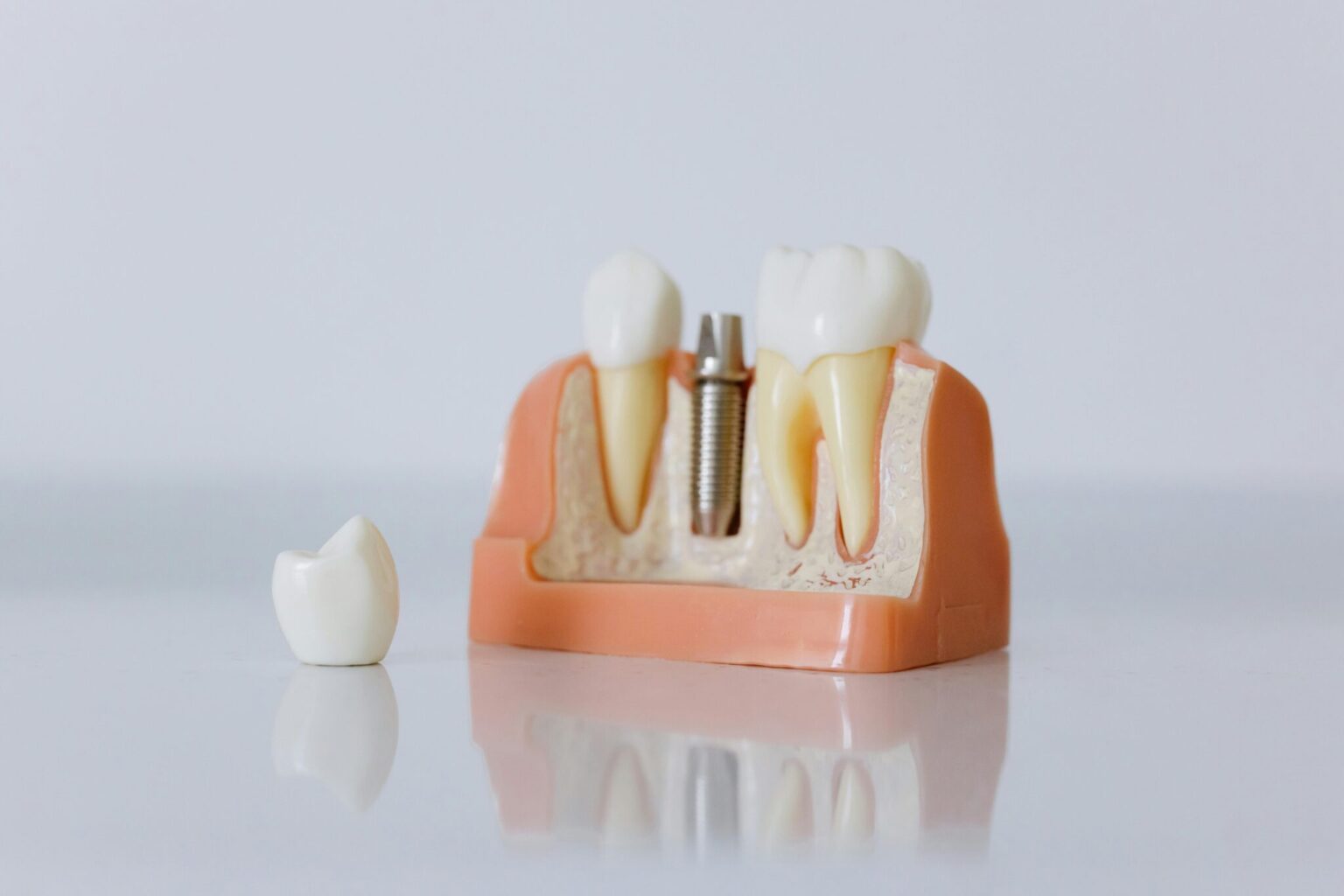
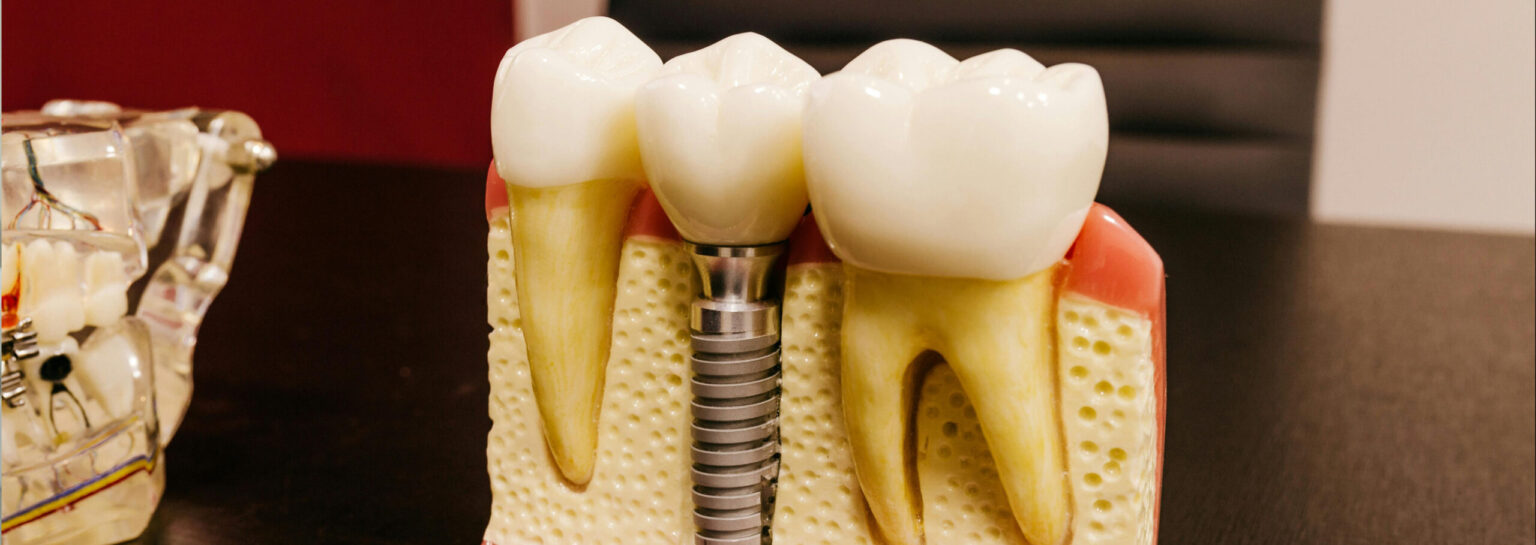
When people hear the terms dental crown and dental implant, they often assume they are two different treatments for two different problems. In practice, they are very often part of the same restoration. One replaces the missing root, the other replaces the visible tooth. Understanding how they work together makes the whole process feel less mysterious and helps patients ask better questions before treatment starts.
This matters because missing teeth are rarely just a cosmetic issue. A gap in the smile can change the way you chew, strain neighboring teeth, affect speech, and over time contribute to bite changes that are harder to correct later. At the same time, not every damaged tooth needs to be removed, and not every implant case is straightforward. Good dentistry is not about pushing one solution. It is about matching the restoration to the biology, the bite, the bone, and the patient’s goals.
In everyday conversation, people sometimes say, “I need an implant,” when what they actually mean is, “I need my missing tooth replaced.” The implant is only one part of that replacement. In many cases, the final visible portion is a crown, shaped and shaded to function and look like a natural tooth. If you picture the whole restoration as a house, the implant is the foundation in the bone, and the crown is the finished structure you see above the gumline.
The simplest way to picture the relationship
A natural tooth has two main parts. The root sits in the jawbone, and the crown is the part above the gums that does the visible work of biting and chewing. When a tooth is lost, an implant can stand in for the root. A dental crown can then stand in for the top of the tooth.
That distinction clears up one of the most common misunderstandings in dental offices. A dental implant is not the whole tooth. It is usually a small titanium or zirconia post placed in the jaw where the original root used to be. After healing, that implant supports a connector piece, often called an abutment, and the crown attaches to that structure.
So when someone says they are “getting a crown on an implant,” that is not redundant. It is the normal sequence for replacing a single missing tooth. The implant gives support. The crown provides shape, contact with the opposing teeth, chewing function, and appearance.
What a crown does, and what an implant does
Dental Crowns and dental implants solve different parts of the same problem. A crown by itself covers and protects a damaged natural tooth. It can also be used on top of an implant to replace a missing tooth. Same word, different role depending on what it is attached to.
An implant, by contrast, does not cover anything. It replaces the root structure that has been lost. That root replacement is important for stability and load transfer. When you chew on an implant-supported crown, the force goes down through the implant into the surrounding bone. That mimics natural function more closely than a removable appliance and helps preserve the area better than leaving the space untreated.
The crown is where artistry and function meet. It must be the right width, the right height, the right contour, and the right color. It must contact adjacent teeth firmly enough to avoid food trapping, but not so tightly that it is impossible to floss. It must also meet the opposing tooth in a way that feels balanced, not high and not weak. This is where many patients are surprised. The implant surgery can go beautifully, but if the crown is poorly designed, the restoration still may not feel or function right.
When the two are used together
The most common situation is the loss of a single tooth. A patient breaks a premolar beyond repair, loses a front tooth in an accident, or has a molar extracted after years of failed fillings and root canal treatment. Once the site heals and there is enough bone, an implant can be placed. After integration with the bone, a crown is made to fit on top.
That sequence sounds neat on paper, but real cases vary. Sometimes an implant is placed immediately after an extraction. Sometimes bone grafting is needed first. Sometimes the site looks fine on the surface but the scan shows thin bone, a sinus positioned lower than expected, or anatomic limitations that change the plan.
Front teeth deserve special mention because they are where expectations rise sharply. Replacing a front tooth with an implant and crown is not just about filling a gap. The gumline, the emergence profile, the translucency of the incisal edge, and the angle of the tooth all matter. A crown that would be perfectly acceptable on a lower molar can look unnatural in the smile zone. In those cases, planning often becomes more exacting than the actual placement.
The typical treatment sequence
Most single-tooth implant restorations follow a broad pattern, although the details can shift based on healing, anatomy, and materials.
- The failing or missing tooth is evaluated with an exam, X-rays, and often a 3D scan.
- The site may need extraction, grafting, or direct implant placement.
- The implant heals and bonds with the bone over a period that commonly ranges from a few weeks to several months.
- An abutment and impressions or digital scans are used to design the final crown.
- The crown is delivered, adjusted, and monitored over time. Dental Crowns
Even that sequence can branch in different directions. Some patients wear a temporary restoration during healing, especially in visible areas. Others have to wait for bone maturation after grafting before an implant is safe to place. In heavy grinders, the dentist may intentionally delay the final crown until bite forces can be controlled, sometimes with a night guard as part of the plan.
Why not just place a bridge?
A dental bridge remains a sound treatment in many cases, but it solves the problem differently. A traditional bridge uses the neighboring teeth as supports. If those teeth already have large fillings or crowns, that can make sense. If they are healthy and untouched, preparing them for a bridge means removing healthy tooth structure that might otherwise be preserved.
Implants changed that conversation. With an implant-supported crown, the replacement can stand alone without drilling the teeth on either side. That independence is one of the strongest arguments for implants in single-tooth replacement. It is especially appealing in younger patients who have healthy adjacent teeth and want the most conservative option for the surrounding structures.
Still, judgment matters. An implant is omnidentalspecialty.com Dental Crowns not automatically better in every situation. A patient with uncontrolled periodontal disease, significant smoking history, poor oral hygiene, or limited bone may not be an ideal candidate without additional treatment. A bridge can sometimes be faster, less surgically involved, and more practical for the right person. Good planning is not a popularity contest between procedures. It is a case-by-case decision.
Materials matter more than many people realize
The implant itself is commonly titanium, though zirconia implants exist in selected cases. The crown material can vary more widely. Porcelain fused to metal, layered ceramics, zirconia, and other high-strength ceramics all have roles depending on the location in the mouth, the patient’s bite, and esthetic priorities.
A molar implant crown at the back of the mouth has to withstand strong chewing forces. A front tooth crown has to look natural under different lighting and blend with neighboring enamel. Those are not always the same material choices. A very strong monolithic zirconia crown may be a practical answer in a high-load area, while a more esthetic layered ceramic may be preferred in the front, assuming the bite allows it.
This is one place where patients can get tripped up by oversimplified marketing. There is no single best material for every implant crown. The right choice depends on mechanics, appearance, available space, parafunctional habits like grinding, and how visible the tooth is when speaking and smiling.
Screw-retained versus cement-retained crowns
This topic sounds technical until a patient has a problem years later and the design suddenly matters a great deal.
An implant crown can be attached with a screw or with dental cement. A screw-retained crown is usually retrievable, meaning the dentist can remove it more easily for maintenance or repair if needed. A cement-retained crown may offer esthetic or angulation advantages in some cases, but excess cement around implants has been associated with inflammation when it is not carefully managed.
Neither approach is universally right or wrong. Implant angle, available room, esthetic demands, and lab design all influence the choice. What matters is that the dentist plans the restoration with maintenance in mind, not just initial delivery. Many of the implant complications seen years later are not dramatic surgical failures. They are small design or hygiene issues that accumulate quietly.
The role of the gums, which patients often underestimate
People naturally focus on the crown because that is the part they can see. Dentists often spend just as much time worrying about the tissue around it. Healthy gums frame the final result and protect the implant long term. Poorly shaped crowns can trap plaque. Thin tissue can recede. If the contour where the crown emerges from the gum is too bulky or too flat, cleaning becomes harder and the esthetic result can suffer.
This is especially important in the front of the mouth. The papillae, the little peaks of gum between teeth, do not always behave predictably after extraction and implant placement. Preserving or rebuilding those contours can take careful timing, provisional restorations, grafting, and patience. Patients sometimes assume a missing front tooth can be replaced in one dramatic visit with a perfect final result. Occasionally that happens, but more often the best esthetic outcomes come from a staged process.
In the back of the mouth, the gum architecture may be less visible, but it is no less important. Tissue health around an implant crown can determine whether the restoration remains easy to clean and stable over many years.
How bite forces affect success
A beautifully placed implant can still fail functionally if the bite is not respected. Unlike natural teeth, implants do not have a periodontal ligament. Natural teeth have a tiny amount of movement and sensory feedback that helps distribute force. Implants are rigidly anchored in bone and behave differently under load.
That means crown design and bite adjustment are not cosmetic details. They are central to long-term success. A crown that hits too hard in one spot, especially in a patient who clenches or grinds at night, can create screw loosening, porcelain chipping, component wear, or bone stress. Sometimes the issue is not the implant itself but the way the final crown meets the opposing teeth.
This is why two patients with the same implant system and similar bone quality can have very different outcomes. One chews comfortably for years with minimal maintenance. Another returns with repeated complications because the bite forces were underestimated or a grinding habit was never addressed.
What healing really looks like
Patients often ask how long the whole process takes, and the honest answer is that timelines can vary widely. A straightforward healed site with good bone can move faster than an extraction site that needs grafting. Some implants gain excellent primary stability at placement and can support a temporary crown early. Others need a quieter healing period before loading.
A common range from extraction to final crown may be several months, and in more complex cases longer than that. It is tempting to compare one person’s timeline to another’s, but implants are not assembly-line procedures. Healing depends on bone density, tissue quality, infection history, overall health, and whether additional procedures are needed.
What matters more than speed is sequencing. Rushing to place a final crown on a site that is not ready can create bigger setbacks later. When patients understand that, they tend to be more comfortable with a staged plan.
Situations where a crown goes on a natural tooth instead
One of the most responsible things a dentist can say is, “This tooth may still be worth saving.” Not every cracked or heavily restored tooth belongs in the extraction and implant category. Dental Crowns remain one of the most valuable ways to preserve a natural tooth that still has a sound root and sufficient structure.
That distinction is important because implants are excellent replacements, but they are still replacements. If a natural tooth can be predictably treated with a crown, sometimes after root canal therapy or build-up, preserving it may be the better long-term choice. The idea that implants are always superior to natural teeth is not supported by good clinical judgment.
The real decision is not crown versus implant in the abstract. It is often crown on a compromised natural tooth versus extraction and implant-supported crown. Prognosis drives the answer. If the tooth has severe vertical fracture, non-restorable decay below the bone, or hopeless periodontal support, saving it may not be realistic. If the issue is substantial damage above the gumline with a healthy root, a conventional crown can be a smart and durable solution.
Maintenance is where long-term success is won
The day an implant crown is delivered is not the end of treatment in any meaningful sense. It is the beginning of maintenance. Implant restorations do not get cavities, but they can absolutely develop problems. Plaque around implants can lead to mucositis and peri-implantitis, both of which can threaten supporting bone if ignored.
Daily home care matters, and so do regular professional evaluations. Patients do best when they understand that implant care is not exotic, but it is specific. The goal is to keep the tissues clean without traumatizing them and to monitor small changes before they become expensive problems.
A few habits make the biggest difference:
- Brush carefully along the gumline, not just the visible crown.
- Clean between the implant crown and neighboring teeth every day with floss or interdental aids recommended by the dentist.
- Keep routine recall visits so the bite, tissues, and radiographs can be checked over time.
- Wear a night guard if grinding or clenching has been identified.
- Report looseness, bad taste, bleeding, or food trapping early rather than waiting.
Patients are sometimes surprised that an implant crown can feel “fine” even while inflammation is starting around it. That is another difference from many natural tooth problems. There may be no decay pain to provide an obvious warning.
Common problems and what usually causes them
Most implant crown complications are manageable if caught early. Screw loosening can happen, particularly if bite forces are high or component fit is not ideal. Chipping can occur in layered ceramic restorations. Tissue inflammation can result from plaque retention, excess cement, or a crown contour that makes cleaning difficult. Food packing between teeth often traces back to contact points that have opened or were never quite correct.
There is also the esthetic disappointment category, which is less dramatic but very real. A crown may function well yet look too long, too opaque, too gray at the gumline, or slightly out of alignment with the neighboring teeth. These issues are more likely in the front of the mouth, where tiny differences become obvious in conversation and photographs.
In my experience, the happiest implant patients are usually the ones who understood at the outset that success has layers. Surgery matters. Laboratory work matters. Tissue behavior matters. Maintenance matters. When all of those are handled well, the final result often feels remarkably natural.
Questions worth asking before treatment starts
Patients do not need to become implant experts, but they should understand the broad plan. Ask whether the tooth can be saved with a conventional crown, what the expected timeline is, whether grafting is likely, what material is being considered for the final crown, and how the restoration will be attached. It is also reasonable to ask how the case will be maintained over time and what risks are most relevant in your mouth, not just in theory.
Those questions tend to shift the conversation from sales language to treatment planning. That is where the useful information lives. A thoughtful dentist should be able to explain why a certain implant size, crown design, or healing sequence fits your anatomy and your bite.
Why the partnership between crown and implant matters
When people talk about implants as if the surgery alone determines the outcome, they miss half the story. A stable implant buried in bone is not enough. The final restoration has to function under real chewing forces, support healthy gum contours, allow cleaning, and blend with the rest of the mouth. That is the job of the crown.
When people talk about crowns as if they are simply caps placed wherever needed, they miss the other half. On an implant, the crown must be designed around a man-made support system with different mechanical behavior than a natural tooth. The geometry, access, bite, and tissue relationship all carry more consequence.
That is why the best results come from seeing the implant and crown not as separate purchases or isolated procedures, but as one integrated restoration. The implant provides the anchor. The crown restores the tooth you actually use. Neither reaches its full value without the other being planned well.
For a patient missing a single tooth, that partnership can be transformative. Chewing becomes easier. The smile feels complete again. Adjacent teeth are left alone. Bone support is better preserved than if the space were simply ignored. None of that happens by accident. It comes from careful diagnosis, realistic timing, precise surgical placement, and a crown designed with equal attention to function and detail.
Dental Crowns and dental implants work together best when the treatment plan respects biology as much as appearance. When that happens, the result does not just look like a tooth. It behaves like one in the ways that matter most every day.
Omni Dental Specialty
1690 E Gonzales Rd, Oxnard, CA 93036, United States
+1 805-410-9603
FAQ About Dental Crowns
How long do crowns last on teeth?
A dental crown often lasts about five to fifteen years, although some last longer. Material, the underlying tooth, oral hygiene and grinding habits affect longevity. Regular dental examinations help identify wear, decay or a loose crown; no lifespan is guaranteed.
How much does a tooth crown cost?
There is no single price for every crown. Material, laboratory work, the condition of the tooth and any additional treatment affect the fee. Ask for a written estimate and confirm your insurance benefits, exclusions and out-of-pocket costs before treatment.
What is the downside of crowns on teeth?
A conventional crown usually requires irreversible removal of some tooth structure. Possible problems include sensitivity, chipping, loosening and decay at the crown margin; some teeth later need root canal treatment. Discuss your tooth's condition, material choices and suitable alternatives with your dentist.
❧