October 27, 2026
The Hidden Benefits of High-Quality Dental Crowns
By @cruzphun364
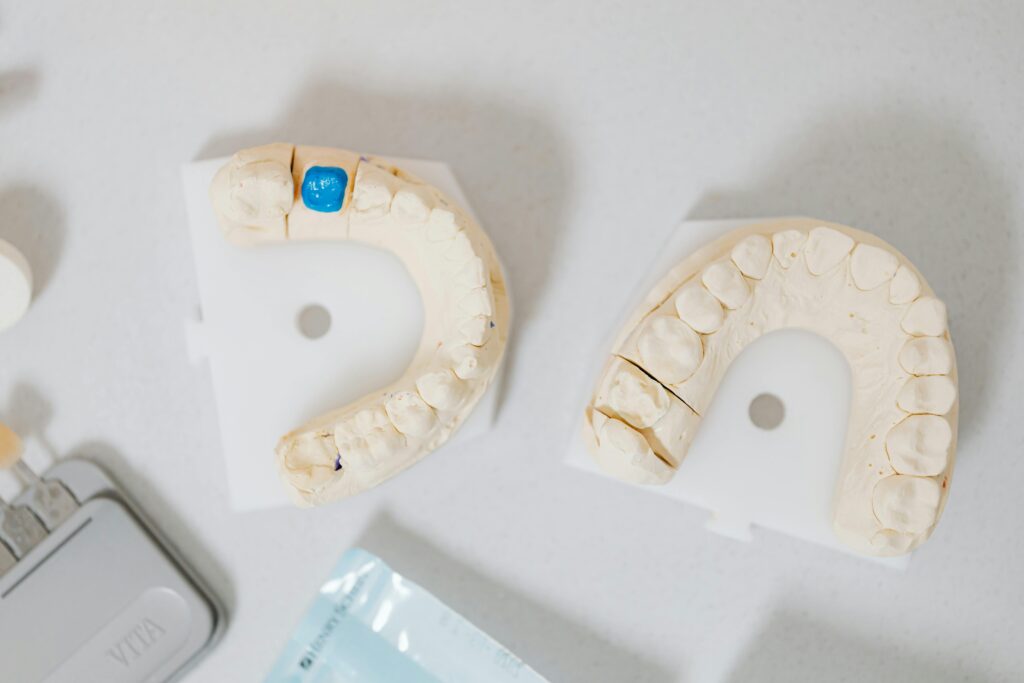
When people hear the phrase Dental Crowns, they usually think of repair. A cracked molar. A root canal tooth that needs protection. A front tooth that has lost its shape after trauma. That basic understanding is correct, but it misses the bigger story. A well-made crown does far more than cover damage. In practice, the best crowns often change how a person chews, speaks, smiles, cleans their teeth, and even how long neighboring teeth stay healthy.
That is why quality matters so much. Two crowns can look similar in a hand mirror and behave very differently in the mouth over the next ten years. One may feel comfortable within days and disappear into daily life. Another may trap food, irritate the gumline, throw off the bite, or chip under routine pressure. Patients tend to judge dental work by color alone, but clinicians know the real success of a crown lives in the details most people never see: the fit at the margin, the contour where it meets the gum, the way it contacts adjacent teeth, the material choice, and the way it distributes force when the jaw closes.
Those details create benefits that are easy to overlook because they feel ordinary once they work well. You stop thinking about the tooth. You eat without guarding one side of your mouth. You floss without shredding the string. Your jaw no longer feels tired after dinner. The hidden value of a high-quality crown is often that it restores normal function so smoothly that it fades from awareness.
A crown does not just replace structure, it restores architecture
A tooth is not a simple peg. It has ridges, grooves, slopes, and contact points that guide food during chewing and help the upper and lower teeth meet properly. When a tooth has a large filling, a fracture, severe wear, or root canal treatment, that architecture is often compromised. A crown gives the dentist a chance to rebuild it deliberately.
This is where quality starts to show. A well-designed crown is shaped to support how the whole bite functions. The cusp heights are intentional. The grooves are not just decorative. The contact with the neighboring tooth is firm enough to prevent food packing, but not so tight that floss snaps or shreds. That balance is not accidental. It comes from good preparation design, accurate impressions or scans, careful communication with the laboratory, and proper adjustment at delivery.
I have seen patients who thought they needed treatment for chronic gum soreness between two back teeth, only to discover that the real problem was an old crown with an open contact. Food was being forced into the space almost every time they ate meat, bread, or fibrous vegetables. Replacing that crown did more for comfort and gum health than another round of mouthwash or special flossing devices ever could.
The same principle applies to the bite. A slightly high crown can make a person clench around it unconsciously. Over time, that can lead to tenderness, headaches, tooth sensitivity, or wear on the opposing tooth. A high-quality crown is refined until it shares force properly. That may sound like a minor adjustment, but it can change the difference between a crown that feels foreign for months and one that feels natural by the next meal.
The gumline often tells the truth
Many crown failures begin not with a dramatic fracture, but with subtle gum irritation. The tissue around the tooth becomes puffy, red, or prone to bleeding. Patients may assume their brushing is at fault, though they are often cleaning carefully. Sometimes the issue is the crown itself.
Margins that are rough, bulky, or poorly adapted collect plaque more easily. Over-contoured crowns, especially near the gumline, create ledges that make normal home care difficult. Under-contoured crowns can create black triangles or alter the way the tissue supports the area. Either problem can undermine both appearance and health.
A high-quality crown respects the biology of the gum tissue. Its emergence profile, the way it rises out of the gum, should look and feel natural. The margin should be smooth and closely adapted. When the crown is polished well and seated properly, patients often notice something simple but meaningful: the floss slides through with a clean, satisfying resistance, and the gum settles instead of staying chronically irritated.
That matters more than many people realize. Healthy gum tissue around a crown protects the underlying tooth structure. It also preserves the appearance of the restoration over time. A beautiful front crown will not stay beautiful if the gum recedes unevenly around it. In the back of the mouth, persistent inflammation can create discomfort and hygiene challenges that gradually shorten the life of the work.
Better materials do more than improve appearance
Cosmetics get most of the attention, especially for front teeth, but material selection affects strength, wear, comfort, and longevity. Not every tooth needs the same crown. A front tooth with light biting loads and high visibility has different demands from a heavily loaded molar in a patient who grinds at night.
High-quality crowns begin with matching the material to the clinical situation. All-ceramic options can provide excellent esthetics and lifelike translucency. Zirconia can offer impressive strength, which is particularly useful in areas of heavy function. Porcelain fused to metal still has a place in some cases, especially when specific structural considerations are involved. Gold crowns, though less common today for obvious esthetic reasons, remain one of the most durable and tooth-friendly options in certain back-tooth situations.
The hidden benefit is not that one material is universally best. It is that a thoughtful choice reduces compromise. A dentist who recommends a material based on your bite, parafunctional habits, tooth position, and esthetic priorities is protecting more than the crowned tooth. They are also thinking about the opposing tooth, the supporting bone, and how the restoration will age.
This matters because some materials are harder on opposing enamel if not polished well. Some need more room, which can require removing more natural tooth structure. Some are ideal for short-term appearance but less forgiving under heavy clenching. High-quality treatment means those trade-offs are weighed before the crown is made, not after a problem develops.
Stronger protection for vulnerable teeth
One of the least appreciated advantages of Dental Crowns is their role in preventing a bad situation from becoming worse. Teeth that have had root canal treatment are a classic example. These teeth are often more brittle because they have lost internal moisture and already sustained significant structural damage from decay, trauma, or previous restorations. Left with only a large filling, they are at greater risk of fracture under normal chewing loads.
A properly designed crown acts like a protective shell, redistributing force over the tooth. It does not make the tooth indestructible, but it significantly improves its odds. In the real world, that can mean the difference between preserving the tooth for years and losing it to a split that extends below the gumline.
Patients sometimes hesitate because the tooth is not hurting at the moment. That is understandable. Preventive treatment is harder to value than emergency treatment because nothing dramatic has happened yet. But crowns often deliver their best value precisely by preventing the crisis that would have followed.
Cracked teeth offer another example. Some cracks are obvious, but many are subtle. A patient may describe a sharp zing when releasing pressure after biting on nuts or crusty bread. If the crack has not extended too far, a crown can splint the tooth together and reduce flexing. Timing is important. Done early, it may save the tooth. Delayed too long, the crack may deepen, at which point the options narrow and become more expensive.
A good crown protects neighboring teeth too
It is easy to think of a crown as a one-tooth treatment, but its effects ripple outward. Teeth work as a team. If one crown is Dental Crowns Omni Dental Specialty poorly shaped or out of balance, adjacent and opposing teeth pay the price.
When contact points are weak, food packs between teeth and the gums become inflamed. When the biting surface is too flat or too tall, chewing forces shift in unhealthy ways. Patients may start favoring one side of the mouth, overloading other teeth, or clenching more to find a comfortable bite. Over the years, those adaptations can contribute to wear, mobility, soreness, and a series of repairs that did not need to happen.
A high-quality crown helps maintain order in the system. It supports a stable bite, keeps teeth from drifting, and reduces the chance that the next problem starts right next door. This is one reason experienced dentists can seem unusually particular about tiny details. They are not chasing perfection for its own sake. They are trying to preserve harmony in a very crowded, force-heavy environment.
Comfort is a technical achievement
Patients often describe a successful crown in emotional terms. It feels normal. It stopped me thinking about that tooth. I can chew on that side again. Those comments sound simple, but they reflect careful technical work.
Comfort depends on more than whether the crown is seated. It depends on how much natural tooth was preserved during preparation, whether the temporary crown protected the area properly, how the final crown fits under load, and whether the cementation process was controlled and clean. Moisture contamination, excess cement left below the gumline, or inadequate occlusal adjustment can all turn a technically completed crown into a lingering irritation.
The best crown appointments are sometimes the least dramatic. There is no long troubleshooting session. No repeated comments that it feels strange but maybe you will get used to it. Instead, the crown is tried in, verified, bonded or cemented, and adjusted only lightly. The patient leaves, and within a few days it blends into the background of normal life.
That level of comfort is not luck. It reflects preparation, materials, and attention to detail at every step.
Esthetics are deeper than shade matching
For front teeth, appearance matters, and patients are right to care about it. But the hidden esthetic benefits of a high-quality crown go beyond simply picking the right shade tab. Real teeth have variation. They transmit light differently at the edge than they do near the gum. They may have subtle surface texture, slight translucency, or tiny characterizations that keep them from looking flat.
A poorly made front crown can be technically acceptable and still stand out for the wrong reasons. It may be too opaque, too bright, too square, or too bulky near the gum. People often cannot name the issue, but they sense that something looks artificial. In contrast, a high-quality crown disappears into the smile because its shape and light behavior work with the surrounding teeth.
There is also the matter of facial support and speech. A front crown that is slightly too long, too thick, or positioned poorly can affect how the lip rests and how certain sounds are formed. Patients sometimes report a brief adaptation period with any new front restoration, but when the contours are right, that period is usually short. When the contours are wrong, the restoration keeps announcing itself every time the person talks or catches their reflection.
Precision has become easier to achieve, but it still depends on judgment
Digital scanning, CAD design, and modern ceramic systems have improved crown dentistry in meaningful ways. In many cases, they provide cleaner impressions, more predictable fit, and faster turnaround than traditional methods. But technology does not replace judgment. It amplifies it.
A digital scan can capture beautiful data, but the tooth still needs proper preparation. The margin still needs to be clear and accessible. The bite still needs to be recorded accurately. The design still needs to respect anatomy rather than simply fill a space. A milled crown made from a strong material can still fail if the preparation is too short, the cementation protocol is poor, or the patient’s grinding habit was never addressed.
That is one reason experience matters. A clinician who places crowns regularly develops an eye for what causes trouble later. They recognize when the gum tissue is too inflamed to capture a reliable margin. They know when a tooth needs build-up before crowning and when a conservative alternative may be better. They understand that speed is useful, but not if it shortcuts fit, bite, or tissue management.
Not every tooth needs a crown, and that restraint is part of quality
One of the clearest markers of good care is knowing when not to place a crown. Some teeth can be restored very well with bonded fillings or onlays that preserve more natural structure. Crowning a tooth unnecessarily can remove healthy enamel and dentin that cannot be replaced.
Patients should not hear this as a reason to distrust crowns. Rather, it is evidence that crown quality begins before the tooth is prepared. The right restoration is the one that solves the problem with the least biological cost while still giving adequate strength and longevity. Sometimes that is a full crown. Sometimes it is not.
This is where professional judgment becomes visible in treatment planning. If a tooth has a small to moderate defect with strong remaining walls, a conservative approach may make more sense. If the tooth is heavily broken down, cracked, root canal treated, or supporting a broader bite scheme, a crown may be the wiser long-term investment. Good dentistry rarely lives in absolutes.
Signs that quality is likely to pay off
For patients trying to evaluate recommendations, it helps to know what tends to correlate with a better crown experience.
- A clear explanation of why a crown is needed, including what alternatives exist
- Discussion of material choice based on tooth location, bite forces, and appearance goals
- Attention to the health of the gums before final impressions or scans
- Careful checking of contact points and bite at delivery
- Follow-up advice that includes grinding protection when relevant
None of these guarantees perfection, but together they suggest that the crown is being treated as part of a living system, not as a one-size-fits-all product.
Longevity is not only about the crown itself
Patients often ask how long crowns last. The honest answer is that they can last many years, often well over a decade, but the range is wide because the crown’s survival depends on behavior as much as materials. A beautifully made crown can fail early if decay develops at the margin, if the patient grinds heavily without protection, or if oral hygiene remains poor. A modest-looking crown can last surprisingly long when the fit is good and the environment is healthy.
The hidden benefit of investing in a high-quality crown is that it gives you a stronger starting point. The margins are cleaner. The contour is easier to maintain. The material is suited to the job. The bite is less likely to overload the tooth. All of that increases the odds that normal care at home will be enough to preserve the work.
There is a financial angle here too. A crown that has to be remade because of poor fit, recurrent decay, fracture, or chronic discomfort is rarely a bargain. Dentistry becomes expensive when it has to be repeated. Patients sometimes focus on the immediate fee difference between options, but over time the real cost is shaped by how often treatment needs repair, replacement, or rescue.
Daily habits determine whether the hidden benefits stay hidden
Even the best crown needs sensible maintenance. The encouraging part is that the maintenance is usually ordinary.
- Brush along the gumline thoroughly, especially where the crown meets the tooth
- Floss daily and pay attention to areas that trap food
- Wear a night guard if you clench or grind
- Keep recall visits so the bite, margins, and surrounding gums can be checked
- Report any new sensitivity, looseness, or change in bite early
These are not glamorous steps, but they preserve the very advantages that make a crown feel invisible in daily life.
Why the best crowns often go unnoticed
There is a quiet standard by which excellent restorative work is judged. Nobody comments on it. It does not click when you chew. It does not make the floss catch. It does not leave the gum sore. It does not draw attention in photos. It simply functions, day after day, in a mouth full of competing forces and constant use.
That is the hidden benefit of high-quality Dental Crowns. They restore more than a damaged tooth. They preserve efficiency, comfort, tissue health, and confidence. They reduce the chance that one compromised tooth will start a chain of larger problems. They reward precision in ways patients may never fully see, but absolutely feel.
When crowns are done well, the result is not just repair. It is stability. And in dentistry, stability is one of the most valuable outcomes a patient can buy.
Omni Dental Specialty
1690 E Gonzales Rd, Oxnard, CA 93036, United States
+1 805-410-9603
FAQ About Dental Crowns
How long do crowns last on teeth?
A dental crown often lasts about five to fifteen years, although some last longer. Material, the underlying tooth, oral hygiene and grinding habits affect longevity. Regular dental examinations help identify wear, decay or a loose crown; no lifespan is guaranteed.
How much does a tooth crown cost?
There is no single price for every crown. Material, laboratory work, the condition of the tooth and any additional treatment affect the fee. Ask for a written estimate and confirm your insurance benefits, exclusions and out-of-pocket costs before treatment.
What is the downside of crowns on teeth?
A conventional crown usually requires irreversible removal of some tooth structure. Possible problems include sensitivity, chipping, loosening and decay at the crown margin; some teeth later need root canal treatment. Discuss your tooth's condition, material choices and suitable alternatives with your dentist.
❧